沈黙の中の生命 ― 柳原義達における「生命の尊厳」と反骨の造形 Life Within Silence: The Dignity of Life and the Sculptural Spirit of Defiance in Yoshitatsu Yanagihara
English Summary
Life in Silence: The Dignity of Life and the Sculptural Spirit of Defiance in Yoshitatsu YanagiharaThe central theme running through the sculpture of Yoshitatsu Yanagihara is a profound respect for life itself. Rather than celebrating life through heroic or idealized forms, Yanagihara sought to reveal the pain, dignity, and resilience hidden within silence. His sculptures are not expressions of outward triumph but embodiments of prayer, endurance, and quiet resistance.
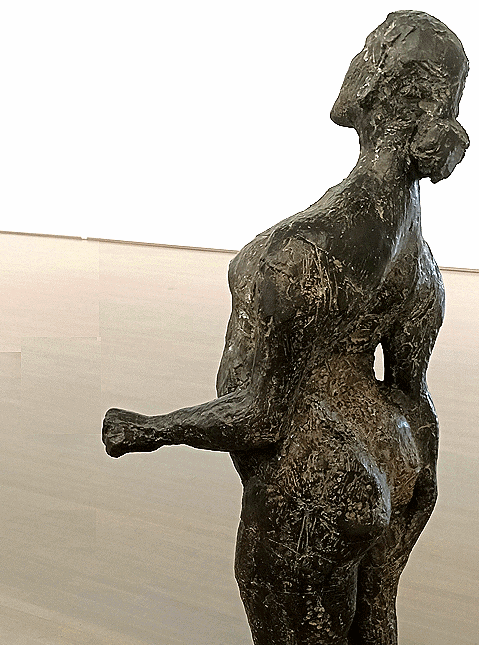
Yanagihara’s artistic vision was shaped by his encounter with French sculpture in the 1950s, particularly the works of Rodin and Giacometti. While he admired their achievements, he recognized that their sculptures expressed life through outward movement and self-assertion. In contrast, Yanagihara chose to explore the inner will that remains concealed beneath silence. His goal was not to depict emotion openly, but to reveal the enduring spirit that survives suffering and restraint.This vision reached a powerful expression in Song of the Dog (1961).
Inspired by the French chanson La Chanson du Chien, which portrays a defeated people preserving their dignity under domination, the sculpture embodies silent resistance. The figure’s asymmetrical posture—one arm extended forward and the other held behind—suggests both outward compliance and inward defiance. Rather than shouting anger, the work expresses the pride of a spirit that refuses to surrender.Although often described as a sculptor influenced by Rodin, Yanagihara moved beyond imitation.
If Rodin expressed inner emotion through dynamic physical form, Yanagihara expressed inner resolve through restraint and silence. His sculpture reflects an Eastern sensibility in which dignity is preserved not through self-assertion but through endurance.
For Yanagihara, sculpture was fundamentally an act of prayer. He valued not the perfection of form but the evidence of life contained within the act of carving itself. A sculpture was not a finished object but a trace of reverence for life—a record of existence.
His works consistently embody what may be called “defiance through silence.” The tension between submission and resistance, vulnerability and persistence, is expressed not through dramatic gestures but through subtle bodily imbalance and restrained posture. This resistance is not political but existential: the determination to remain human despite suffering.
Yanagihara’s idea of the dignity of life was rooted in his experience of war and defeat. For him, dignity did not mean strength, victory, or success. It meant continuing to live despite wounds, uncertainty, and hardship. Works such as Guidepost: Dove and Bird in the Wind capture not moments of flight but moments of endurance, when life gathers strength against opposing forces.
Ultimately, Yanagihara’s sculpture is a form of prayer. It records the quiet dignity of existence and the unspoken pride that survives within silence. Through his art, he transformed sculpture into a testament to life itself—a silent yet powerful affirmation of human dignity.
柳原義達の彫刻を貫く中心的な主題は、「生きていること」そのものへの深い敬意である。彼は、生命を賛美するために彫るのではなく、沈黙のなかにひそむ「生の痛みと誇り」を形にすることで、人間存在の真実を見つめ続けた。それは、華やかな美の造形とは異なり、祈りと抵抗のかたちとしての生命の尊厳を追求する行為であった。
1. フランス体験と《犬の唄》の起点
柳原は1950年代にフランスに留学し、ロダンやジャコメッティらの作品に触れる。彼は、ロダンの肉体に宿る情熱、ジャコメッティの存在への透徹した凝視から強い衝撃を受けた。しかし同時に、これら西欧の彫刻が人間の「外へと向かう表現」であることを見抜く。
柳原はそれに対して、「内に沈む生命」を表す道を選んだ。ロダンが筋肉の動勢と感情を彫ったのに対し、柳原は「沈黙の中に宿る存在の意志」を彫ろうとしたのである。
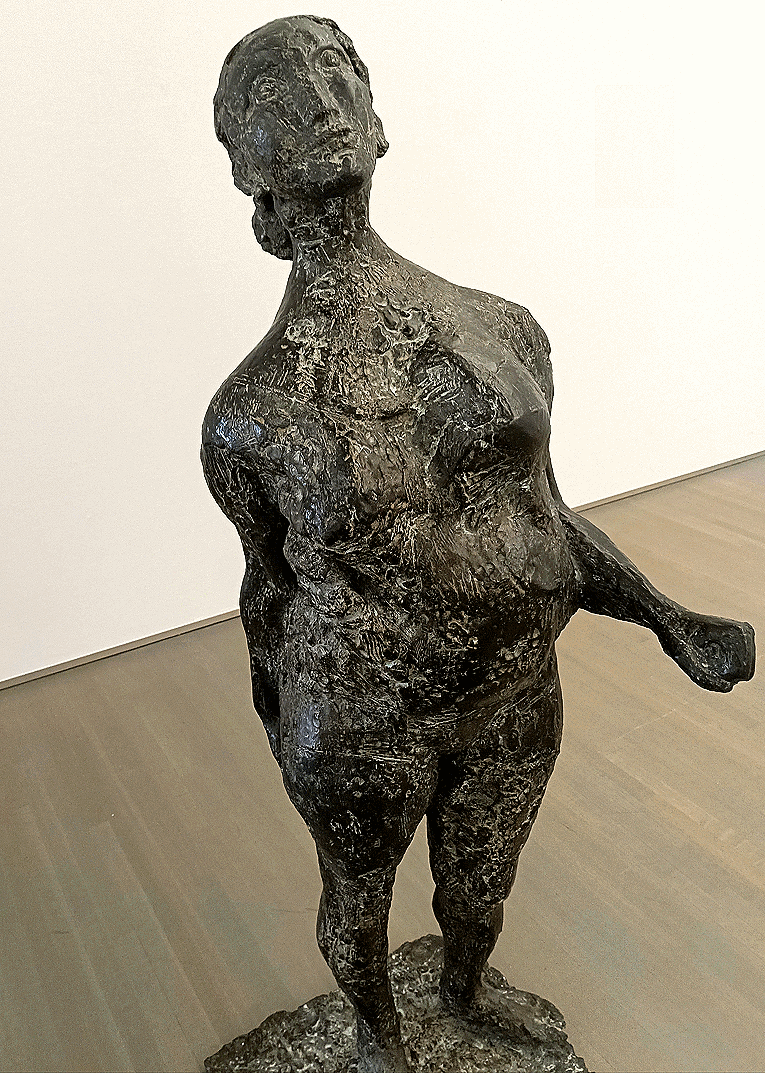
この思想がもっとも鮮明に結実したのが、《犬の唄》(1961)である。題名に「犬」とあるが、その姿は明らかに人間的である。片腕を前に出し、もう一方を背に回す非対称の構えは、外に向けた従順さと、内に秘めた反抗を同時に刻んでいる。そこには、声を上げずに抗う存在の誇りが宿る。柳原は、怒りや激情を叫ぶのではなく、沈黙の姿にこそ人間の真の強さを見いだした。
2. 《犬の唄》とフランスの歌 ― 「沈黙の抵抗」の起源
《犬の唄》の題名には、柳原がフランスで出会った一つの歌が深く関わっている。十九世紀末の歌手エンマ・ヴァラドン(Emma Valladon, 1837–1913)が歌ったシャンソン《犬の唄(La Chanson du Chien)》である。この歌は、普仏戦争(1870–71)に敗れたフランス人の複雑な心情をうたったもので、外見上は征服者プロイセンに従順であらねばならないが、心の奥では誇りと抵抗を失わない――そんな沈黙の反抗を描いている。
柳原はこの歌を単なる哀歌としてではなく、屈服の仮面の下にある人間の意志の表現として受け取った。敗戦後の日本で生きる自身の経験とも重なり、彼は“声にならない誇り”というテーマに深く共感した。《犬の唄》はまさにこの精神を造形化したものであり、外的には従順な姿を保ちながら、内奥では強く燃える抵抗の意志を秘めた人間像である。
同時に柳原は、画家エドガー・ドガが描いたヴァラドンの肖像にも着目した。ドガの作品に描かれるヴァラドンは、背をそらし、両手を前に差し出す姿勢をとる。その優雅なポーズの中に、内に秘めた誇りと緊張が見える。
柳原の《犬の唄》の構え――一方の手を前に、もう一方を背に回す――は、このドガ的ポーズに呼応しつつも、それを静かな反骨の構えに変えている。ドガが舞台の優美を描いたのに対し、柳原は沈黙する人間の精神を刻んだのである。
3. ロダンを超える ― 模倣ではない独自性
しばしば柳原は「ロダンの影響を受けた日本の彫刻家」と評される。しかしその理解は表層的である。柳原はロダンの模倣者ではなく、むしろその先へ進んだ。ロダンの彫刻が「心の動きを外へ表す芸術」だとすれば、柳原の彫刻は「心の沈黙を内に保つ芸術」である。ロダンが肉体を通じて情念を叫ぶとき、柳原は沈黙の身体に「語らぬ意志」を宿す。そこには、西欧的な自己主張ではなく、声を出さずに世界と向き合う東洋的な精神がある。
柳原は、フランスの近代美術から多くを学びながらも、「形の完成」よりも「形が生きていること」を重んじた。彼の彫刻は、仕上げられた完結した像ではなく、生成の途中にある生命の痕跡として立ち現れる。彼は、形の完成を目指すのではなく、彫るという行為そのものに“生きるという祈り”をこめ、その祈りを形としてこの世に留めようとした。
この言葉は柳原の制作哲学の核心をなす。「祈り」は宗教的儀礼ではなく、生きていることへの畏敬と感謝のかたちであり、彫ることそのものが「祈ること」と同義であった。彼にとって作品とは完成品ではなく、祈りの痕跡=生の証であった。
4. 「沈黙による反骨」――声なき抵抗の造形
柳原の作品には、声を上げて抗う姿は一つもない。しかし、その沈黙は決して従順ではない。《犬の唄》の構えに象徴されるように、彼の彫刻には常に沈黙による反骨がある。
片腕を前に出し、もう一方を背に回す身体のねじれは、「外への服従」と「内なる反発」が同居する緊張を生む。柳原はこの緊張を通して、人間が外界に支配されながらも、内側で自らを守り、誇りを保つ姿を刻んだ。それは政治的な抵抗ではなく、存在の抵抗である。語らぬことで語る、沈黙の美学。その静けさこそが、柳原の反骨精神であった。
5. 「生命の尊厳」の具体的意味
柳原の言う「生命の尊厳」は、抽象的な理想ではない。それは、弱さを抱えながらもなお生きる姿勢そのものを指している。
戦争と敗戦を経験した柳原にとって、生命とは勝利や成功の象徴ではなく、傷を負いながらも生き延びることの重みだった。彼は「強さの美」ではなく、「生き続けることの美」を求めた。それゆえ、彼の作品には常にわずかな不安定さ、歪み、沈黙がある。それが「生きていることの証」であり、尊厳のしるしなのである。《道標・鳩》《風の中の鳥》においても、彼は飛び立つ瞬間ではなく、飛び立つ前の緊張を描いた。風に抗いながら立つ姿、静止した鳩の構えには、生命が内側から呼吸するような気配がある。柳原は、その「在ることの呼吸」を彫ろうとしたのである。
6. 結語 ― 祈りとしての彫刻
柳原義達の彫刻は、形の完成を目的としたものではない。彼は、彫るという行為そのものに「生きるという祈り」を見いだし、その祈りを形として刻み続けた。それは、生命への畏敬であり、人間が生きることをやめないための、静かな祈念であった。
沈黙の中にある生命の尊厳とは、声を上げずとも確かに生きている存在の深さであり、言葉を超えて世界と向き合う人間の姿である。柳原は、ロダン的な情熱を超え、沈黙をもって人間の誇りを語る彫刻家であった。彼の作品は、祈るように彫られた生命の記録であり、沈黙の中に燃える反骨の美学そのものである。
2026年6月25日更新