「読書をする僧たちIII」―エルンスト・バルラッハ芸術の本質-Reading Monks III: Silence and the Soul in the Art of Ernst Barlach
Abstract
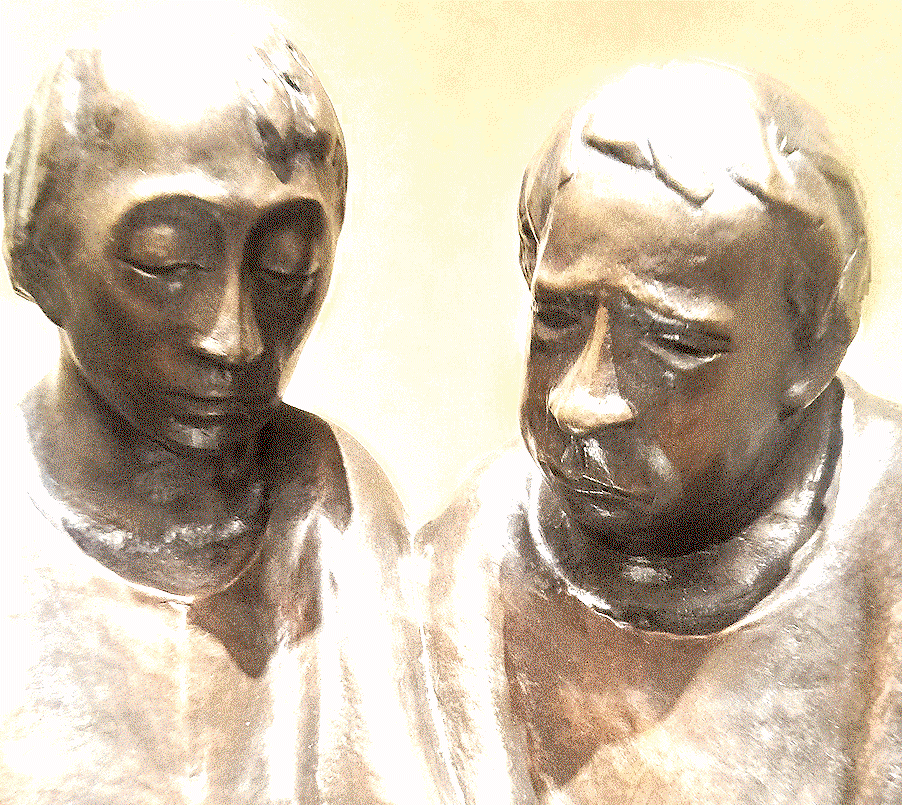
During a visit to the Rodin Wing of the Shizuoka Prefectural Museum of Art, I was first captivated by Head of Apollo by Antoine Bourdelle. As a symbol of the new direction sculpture took after Rodin, it left a strong impression on me. Yet another work in the gallery quietly entered my mind and remained there: Reading Monks III by Ernst Barlach.
At first glance, the sculpture appears calm and restrained. Two monks sit reading a large book, presumably the Bible. However, the essence of the work lies not in what they are reading, but in how they are reading. One monk embodies serenity and concentration. His expression is free from emotional disturbance, conveying inner clarity and spiritual composure. His presence reminded me of the famous seated statue of Jianzhen in Nara, whose face expresses the tranquility attained through deep spiritual discipline.
The other monk presents a striking contrast. His face bears the marks of suffering, fatigue, and inner struggle. Though silent, his silence is not peaceful. It suggests a person burdened by the weight of existence itself.
To understand this figure, one must consider Barlach's own life.
Although he was celebrated as one of Germany's leading artists, the rise of the Nazi regime led to the condemnation of his work as “degenerate art.” His sculptures were removed, confiscated, and destroyed, and he became increasingly isolated. Yet his suffering was not merely political. It was spiritual. He lived in an age in which fundamental questions about humanity, faith, and art seemed to be collapsing.
For this reason, I see the two monks not as separate individuals, but as two aspects of Barlach himself. One represents the ideal self: calm, intellectual, and spiritually grounded. The other represents the real self: troubled, uncertain, and struggling within a fractured world. The sculpture thus becomes an internal dialogue within a single human being.
This reveals a fundamental difference between Barlach and Auguste Rodin. Rodin externalized emotion through dramatic gestures and expressive bodies. His figures openly display fear, determination, despair, and courage. Barlach, by contrast, internalizes emotion. Rather than exploding outward, feeling sinks inward and becomes spiritual reflection. The viewer must remain with the work over time before its inner world gradually unfolds.
Particularly significant are the hands of the two monks. The serene monk firmly supports the Bible, suggesting spiritual stability. The suffering monk clasps his hands tightly. At first, this appears to be a gesture of prayer. Yet it also seems to be an act of self-preservation—a desperate effort to hold oneself together in the face of inner collapse.
Standing before Reading Monks III, I felt as if the sculpture created its own silent spiritual space. Unlike Rodin's works, which project energy outward, Barlach's sculpture draws the viewer inward. Within that stillness, we are confronted with our own lives: the ideal self and the struggling self, reason and anxiety, hope and suffering.
For me, this is the essence of Barlach's art. He did not portray heroes. He portrayed ordinary human beings striving to preserve their spirit amid the difficulties of existence. That is why Reading Monks III continues to speak so powerfully to modern viewers across time and culture.
静岡県立美術館のロダン館を訪れた時、私はまずアポロンの首に強く惹かれた。ロダン以後の彫刻が、どのように新しい方向へ向かっていったのかを考える上で、この作品は非常に象徴的であった。しかし、その展示空間の中で、もう一つ、静かでありながら深く心に入り込んでくる作品があった。
それが、読書をする僧たちIIIである。
最初にこの作品を見た時、私は強烈な感情の爆発を感じたわけではなかった。むしろ逆である。静かである。しかし、その静けさの奥に、極めて重く複雑な精神世界が沈んでいることを直感した。
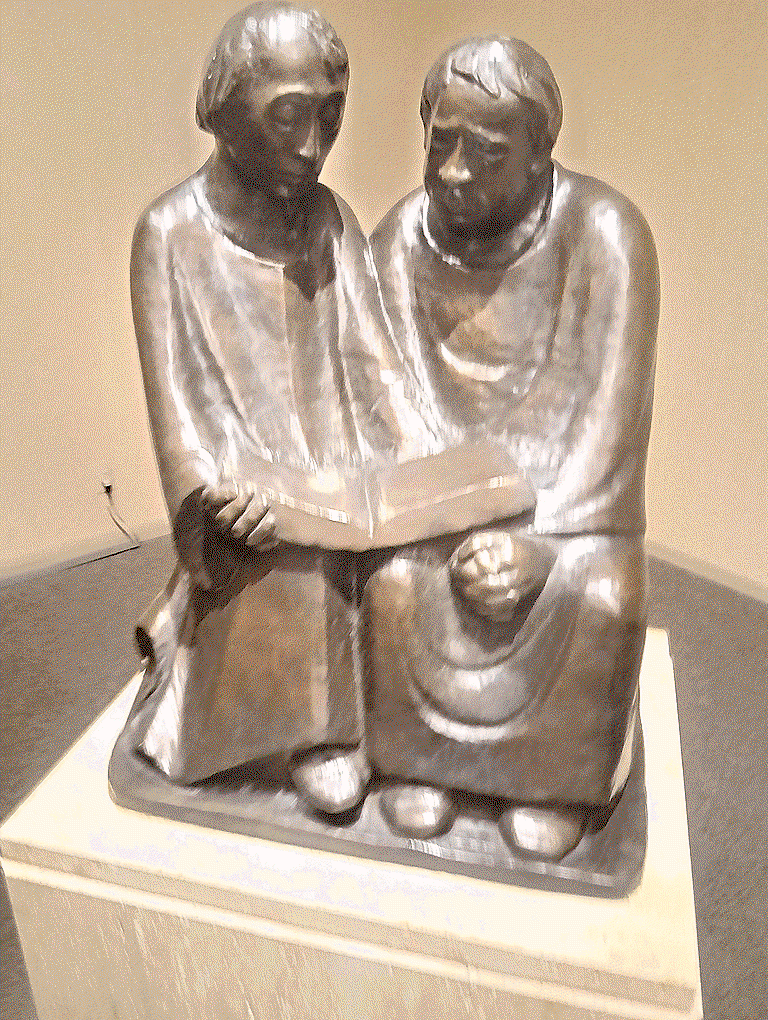
二人の僧が、分厚い書物を読んでいる。おそらく聖書であろう。しかし、この作品の本質は「読書」という行為そのものではない。重要なのは、「何を読んでいるか」ではなく、「どのように読んでいるか」である。
私はまず、二人の顔の表情に強く惹かれた。
一人の僧は、極めて沈着である。感情の乱れがほとんど見えない。視線は深く内面へ沈み込み、精神が一点へ集中している。そこには静かな知性がある。騒がしさはなく、感情の誇張もない。ただ、精神が澄み切っている。
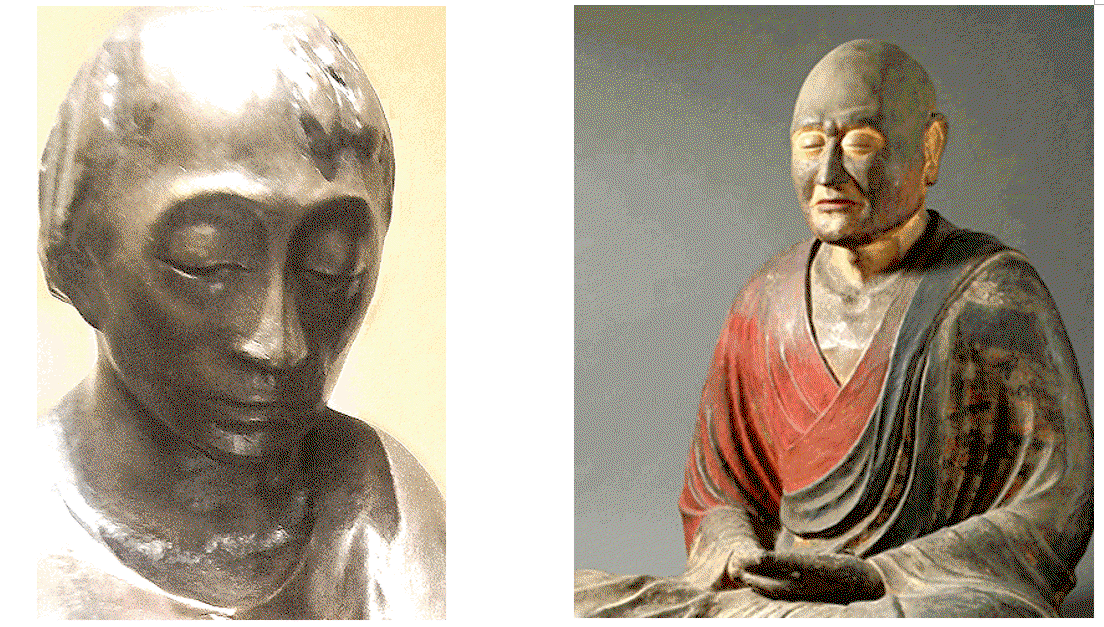
その姿を見た瞬間、私は奈良の鑑真和上坐像を思い出した。鑑真和上像にも、同じような精神の静けさがある。悟りへ向かう人間特有の沈着さである。外へ向かう感情ではなく、内面を深く見つめ続けた者だけが持つ静寂である。
そして興味深いのは、その静かな表情が、見る側の精神まで静めていくことである。通常、彫刻は鑑賞者に感情的刺激を与える。しかし、この僧の顔は違う。見る者を鎮めるのである。まるで精神の波がゆっくりと静まっていくような感覚がある。
しかし、もう一人の僧は全く異なる。
こちらの顔には苦悩がある。沈黙しているが、その沈黙は平穏ではない。深い悲しみと疲労が漂っている。眉間や口元には、人生の重さが刻まれている。私はそこに、単なる宗教的苦悩ではなく、時代そのものに押し潰されそうになっている人間の姿を見た。
ここで重要になるのが、作者であるエルンスト・バルラッハ自身の人生である。
バルラッハは1933年に文化功労賞を受賞し、ドイツ芸術界の頂点へ立った。しかし同時に、ナチス政権の台頭によって状況は急激に変化する。彼の作品は「退廃芸術」と見なされ、多くが撤去・没収・破壊された。展覧会は禁じられ、社会から孤立していく。
つまり、バルラッハは、「国家から否定された芸術家」であった。
ここで重要なのは、彼が単なる政治的被害者ではないということである。彼の苦しみは、もっと精神的で根源的なものであった。人間とは何か。芸術とは何か。信仰とは何か。その根本が崩壊していく時代を、彼は生きていたのである。
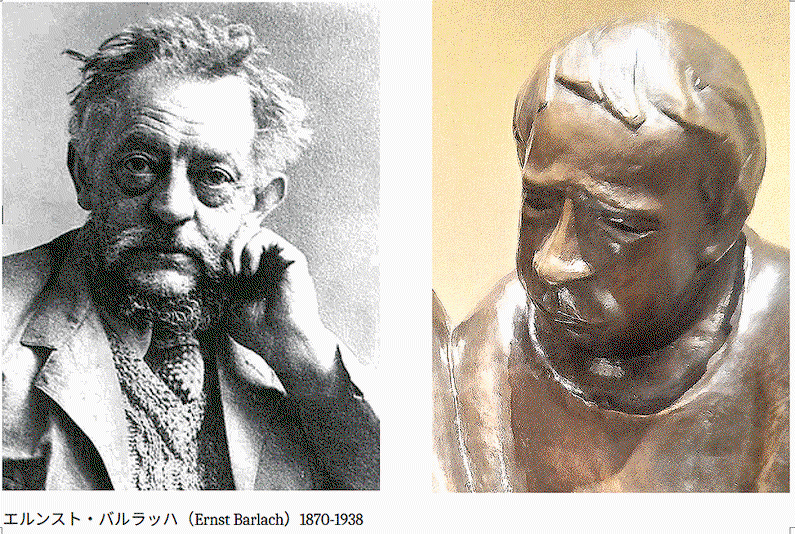
だから私は、この苦悩する僧の表情の中に、バルラッハ自身を感じる。
聖書を読みながら、人生の意味を探しているのである。
しかも、それは単純な救済ではない。完全な希望でもない。むしろ、「苦しみながら、それでもなお精神の光を探そうとする姿」である。
私は、この作品の本質はここにあると思う。
つまり、この二人の僧は別人ではなく、「二つのエルンスト・バルラッハ」なのである。
一人は、理想としての自分である。
知性的で、静かで、精神的に到達した自己。混乱する時代の中でも精神を保とうとする存在である。
もう一人は、現実の自分である。
時代に翻弄され、不安と苦悩の中で揺れ動く自己である。
つまり、この作品は「二人の僧」ではなく、「一人の人間の内部対話」なのである。
ここに、バルラッハ芸術の核心がある。
ロダンの作品は、感情が極めて明確である。例えばカレーの市民では、それぞれの人物が「恐怖」「決意」「絶望」「責任感」を直接的に表現する。感情が身体全体から噴き出している。見る者はその感情に圧倒される。
特にジャン・デールの姿には、「死へ向かう覚悟」が凝縮されている。理性によって恐怖を抑え込みながら、なお責任を果たそうとする精神が、身体の前進する力として現れている。
ロダンは、「感情の外化」の天才である。
しかし、バルラッハは違う。
彼は感情を爆発させない。
むしろ感情を内部へ沈めていく。
そのため、鑑賞者は即座に感情を理解できない。しばらく見続けなければならない。そして見続けているうちに、作品内部に沈殿している精神が、ゆっくりとこちらへ流れ込んでくる。
これは極めてドイツ的な精神性であるとも言える。
外面的英雄主義ではなく、内面的苦悩である。勝利ではなく、存在への問いである。
そして私は、この作品の中で特に「手」の表現が重要だと思う。
沈着な僧は、分厚い聖書を力強く持っている。その手には安定感がある。精神の支柱として聖書を支えているのである。
一方、苦悩する僧は、両手を強く組んでいる。
私は最初、この手を見て「祈り」だと思った。
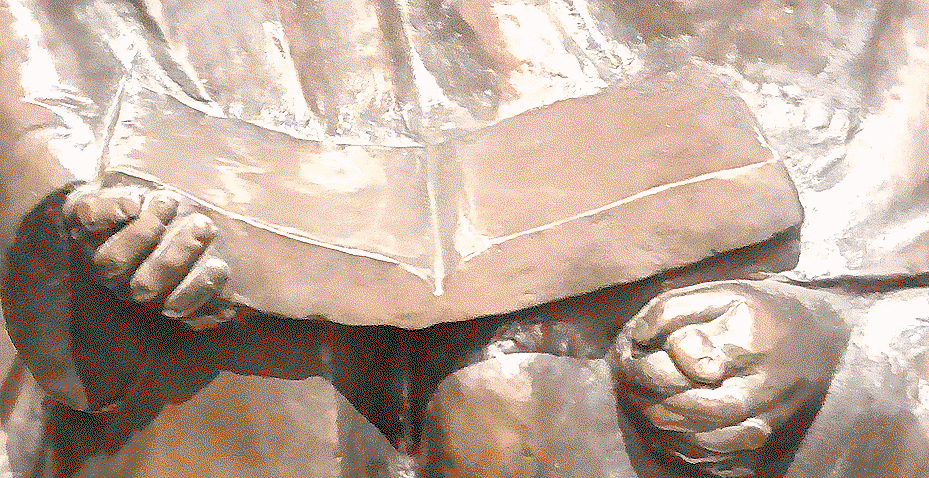
しかし、見続けているうちに、それだけではないと感じた。
これは、「自分を崩壊させないための手」なのである。
つまり、祈りであると同時に、精神の自己保持なのである。
人間は極限状態になると、自分自身を支えるために手を組むことがある。崩れ落ちそうな精神を、自分で押さえ込むのである。この手には、そのような切実さがある。
さらに興味深いのは、作品全体がまるで透明な球体の内部に存在しているように感じられることである。
私はこの作品の前に立った時、周囲の空間が静まり返る感覚を覚えた。
ロダンの作品は外へ向かってエネルギーを放射する。しかし、バルラッハの作品は逆である。内側へ沈み込む。
だから、作品の周囲に「精神空間」が生まれるのである。
その静かな精神空間の中で、私たちは自分自身の人生と向き合うことになる。
理想の自分。
現実の自分。
冷静で知的な自分。
不安と苦悩に揺れる自分。
その両方を、人間は同時に抱えて生きている。
だから私は、この作品に強く惹かれるのである。
ロダンの芸術は、人間の感情を劇的に照らし出す。そこには圧倒的な生命力がある。
しかし、バルラッハはもっと静かである。
彼は、人間が人生の現実の中で、苦しみながら精神を保とうとする姿を表現した。
それは英雄ではない。
私たち自身である。
だからこそ、「読書をする僧たちIII」は、時代を超えて現代人の心に入り込んでくるのである。
2026年5月17日