美しい姿とは― コントラポストという美の形式 The Beautiful Stance: Contrapposto as a Form of Beauty
English Summary
What Makes a Beautiful Standing Figure? Contrapposto as a Form of Beauty
The S-shaped posture frequently seen in female figures throughout the history of sculpture and painting is closely associated with contrapposto, a compositional principle in which the body's weight rests on one leg while the other remains relaxed. This shift causes the pelvis and shoulders to tilt in opposite directions, creating a subtle curve and twist that gives the figure both stability and a sense of latent movement.
The author's interest in this subject began during a visit to the Museum of Oriental Ceramics in Osaka. While the original goal was to view the famous Yōhen Tenmoku tea bowl, attention was unexpectedly drawn to a Tang Dynasty painted female tomb figure. Its posture closely resembled that of Venus in Botticelli's The Birth of Venus. Despite being separated by eight centuries and belonging to entirely different cultures, both figures shared the same graceful S-shaped stance. This striking similarity suggested the existence of a universal model of bodily beauty rooted in human anatomy itself.
The essence of contrapposto lies in its depiction of the body's natural response to gravity. Perfectly upright symmetry often appears rigid, whereas real people unconsciously shift their weight onto one leg, creating slight asymmetries that provide comfort and balance. Ancient sculptors recognized this subtle imbalance and transformed it into an idealized artistic form. Although such poses are difficult to maintain in reality, they capture and preserve the most beautiful moment of human standing posture.
This principle can be seen in the Venus de Milo, where weight borne by one leg creates a flowing S-curve throughout the body. A similar structure appears in Tang Dynasty female figurines and later in Botticelli's Birth of Venus. In each case, the body combines stillness with the suggestion of movement, producing an image that feels both natural and idealized.
The recurrence of this posture across different cultures and historical periods suggests that contrapposto is more than a Western artistic convention. It reflects a universal understanding of how the human body achieves balance under gravity. The enduring appeal of these figures arises from their embodiment of a delicate harmony between stability and motion.
Ultimately, contrapposto should be understood not merely as an artistic technique but as a sculptural recognition of a fundamental truth about the human body. It transforms the natural equilibrium of standing into a visual expression of beauty, preserving a fleeting moment of human balance as an enduring artistic form.
彫刻や絵画において女性の立像がしばしばS字型の姿勢をとることは、古代から現代に至るまで広く確認される現象である。この姿勢は一般に「コントラポスト」と呼ばれる造形形式と結びついており、片脚に重心を置き、もう一方を遊脚とすることで骨盤と肩が逆方向へ傾き、身体に自然な曲線と微妙なねじれを与える立ち方である。静止のなかにわずかな動勢を宿すこの構造は、古代ギリシャで理想美の形式として確立され、後世の美術に深い影響を与えてきた。
私がこのテーマに関心を抱くようになったのは、一つの偶然がきっかけであった。ある日、大阪・中之島にある大阪市立東洋陶磁美術館を訪れた。世界に三点しか現存しないとされる「曜変天目茶碗」が展示されていると聞き、その希少な美を鑑賞することが目的であった。曜変天目の深い瑠璃色と宇宙的な光彩は確かに見事であったが、それ以上に私の目を奪ったのは、展示室の一角に置かれていた唐代の加彩婦女俑である。
その立ち姿は、ボッティチェリ「ヴィーナスの誕生」に描かれた姿勢と驚くほどよく似ていた。中国とイタリアという地理的・文化的に遠い地域が、さらに八百年という時代差を超えて、ほぼ同じ「美しい立ち姿」を独立に生み出している。この一致は偶然ではなく、人間の身体が自然に示す美の原型が文化を越えて共有されていることを示すのではないかと直感した。この体験が、本論文における「人の立ち姿の美とは何か」という問いを考える契機となった。
コントラポストの本質は、人間が重力下で自然に立つときに生じる“微細な不均衡”の捉え方にある。完全な直立はかえって硬さを生み、人間は無意識のうちに体重を片脚へ移し、骨盤をわずかに傾け、上半身を調整することで、立位の安定を得ている。古代の彫刻家はこの自然な姿勢の瞬間を造形化し、視覚的な美へと昇華した。そのため、作品に示される姿勢は現実の人間が長く保持することは困難だが、造形としては“人らしい立ち姿”の最も美しい瞬間を永続化するものである。
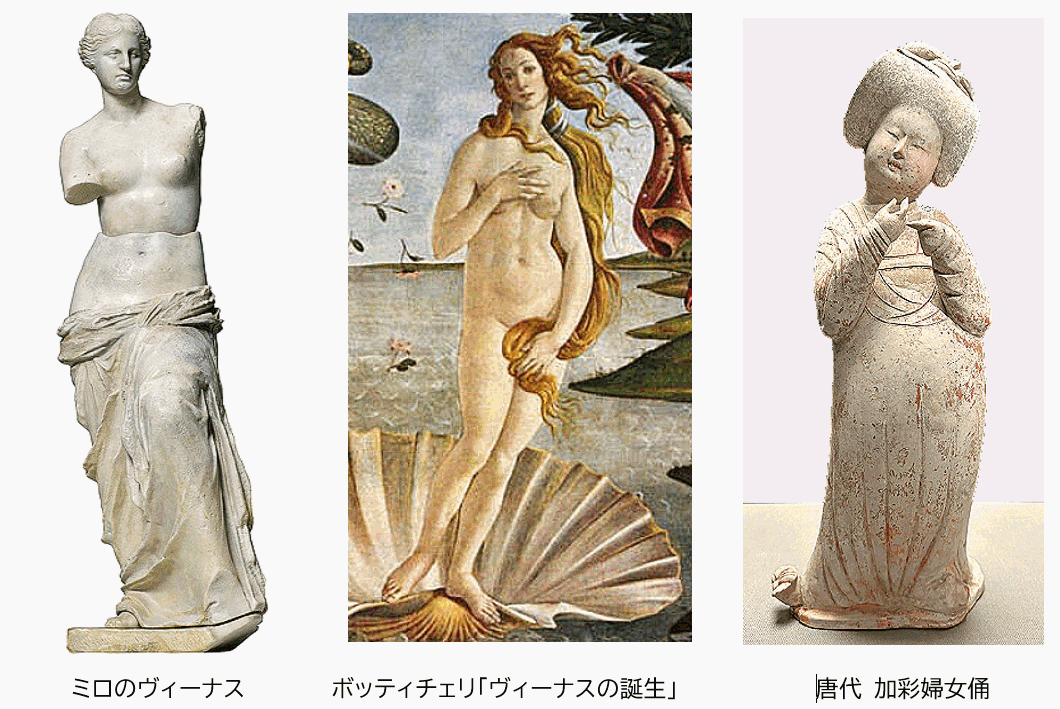
コントラポストの典型として広く知られるのが、紀元前2世紀のギリシャ彫刻《ミロのヴィーナス》である。右脚への荷重と左脚の軽い屈曲が骨盤と胸郭にわずかな傾斜を生み、全身に優雅なS字曲線を形成する。上半身はわずかな回旋を示し、静止の中に淡い動勢を漂わせる。この像は、古代ギリシャが求めた理想的調和を示す代表例である。
同様の姿勢は、西洋美術に限らず、唐代(7~8世紀)の加彩婦女俑にも見られる。片脚に重心を置き、体幹に自然な傾斜が生まれる姿勢は、コントラポストの直接的な模倣とは言えないが、生活のなかから生まれた自然な動きを的確に捉えている。文化背景が異なるにもかかわらず、西洋彫刻と極めて近いS字の立ち姿が成立していることは、人体の構造そのものに基づく美の普遍性を示す重要な例である。
さらに、ルネサンス絵画にも同じ構造が受け継がれている。ボッティチェリ「ヴィーナスの誕生」では、ヴィーナスが片脚に重心を寄せ、遊脚をわずかに屈曲させることでS字の体軸が生まれる。骨盤と胸郭、そして首の微妙な傾きが、海風のなかに立つ優雅さと理念化された女性像の純粋さを象徴している。現実には成立しにくい不安定な姿勢が、絵画の内部では理想美として統合されている点に、ルネサンス特有の“理念の身体”への志向が示されている。
ミロのヴィーナス、加彩婦女俑、「ヴィーナスの誕生」を並置すると、文化・時代・素材の差を越えて共通する構造が浮かび上がる。それは、片脚への重心移動が生む自然なS字曲線であり、静と動が同時に存在する“人間らしい立ち姿”である。コントラポストは西洋美術の専門用語でありながら、その構造自体は人間の身体の自然性に根ざすため、文化をまたいで同様の姿勢が自生するのである。
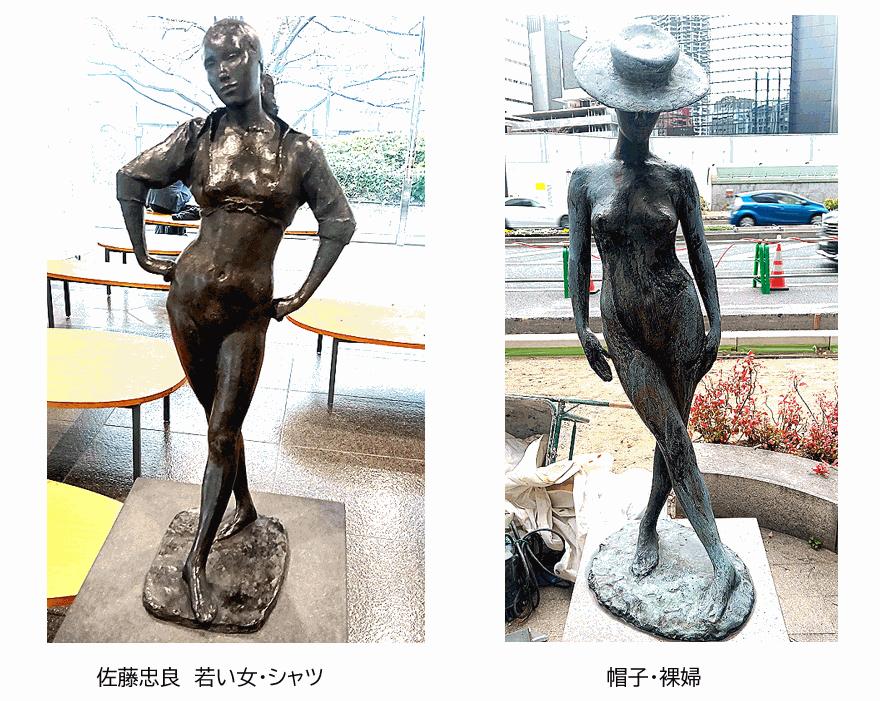
こうした観察を踏まえれば、コントラポストは単なる美術技法ではなく、人間の身体が重力と向き合うときに生まれる自然な均衡の形を、美として捉えた造形的認識の結晶であると言える。立像が示す「人の姿」とは、重力のなかで身体がつくり出す繊細な調和であり、その瞬間を視覚的に定着させた形式がコントラポストなのである。
2026年6月21日 更新