第2章 舟越桂 水に映る月蝕考―祈りを「人間という形を借りて」表すということ―Chapter 2. An Examination of Katsura Funakoshi's Moon Eclipse Reflected on Water: Prayer Embodied in the Human Form
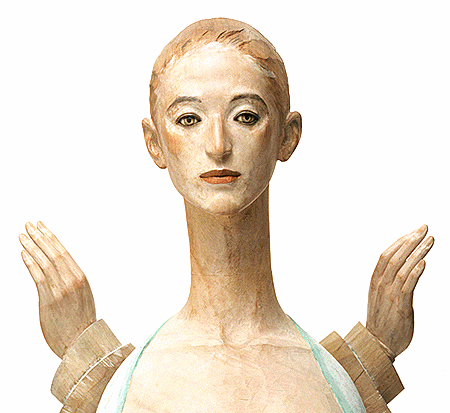
English Summary
Moon Eclipse Reflected on Water marks a decisive turning point in Katsura Funakoshi's artistic development. As the sculptor himself explained, he wished to take "a new step." This transformation did not primarily concern technique or style but reflected a deeper change in what sculpture could express.
Funakoshi described the work as "expressing prayer through the human form." Here, however, prayer does not refer to a religious ritual or a specific act of worship. Instead, it represents a fundamental human attitude toward existence.
The sculpture emerged unexpectedly during the creative process. Funakoshi initially intended only to create a nude female figure. As he sketched, however, the body gradually departed from normal anatomy. The shoulders flowed unnaturally, the abdomen expanded, and eventually the figure appeared to float above the ground. Rather than rejecting these unexpected forms, Funakoshi continued to follow them, believing that their meaning would reveal itself through creation. This openness to discovery lies at the heart of his artistic method.
The image of a floating figure led him to reflect on the meaning of prayer. To float is not to escape reality but to become temporarily freed from its immediate constraints. Prayer, therefore, is not the denial of reality but the human determination to live beyond despair while fully accepting reality as it is. The sculpture embodies this precise moment of spiritual tension.
In this work, the role of sculpture also changes. Earlier portraits quietly presented human existence itself, inviting viewers into silent coexistence. Moon Eclipse Reflected on Water, however, goes further by embodying the very process through which a person struggles to transcend reality. Sculpture no longer depicts a completed state but captures existence in the act of becoming.
The figure's open hands are central to this transformation. They neither grasp nor reject anything, nor do they resemble conventional gestures of prayer. Instead, they express complete openness—a willingness to receive joy, sorrow, fear, and suffering without resistance. Prayer becomes not a request for salvation but an attitude of accepting the world in its entirety.
This interpretation was confirmed in an unexpected way when the sculpture was exhibited at an elementary school in post-earthquake Kamaishi. The children immediately understood the explanation that the sculpture gave human form to prayer, responding naturally with applause. Their reaction suggested that the work communicates through shared human experience rather than intellectual concepts.
Ultimately, Moon Eclipse Reflected on Water does not portray something beyond humanity. Instead, it gives form to the moment when a human being chooses to continue living despite suffering and uncertainty. Prayer is neither miraculous nor escapist; it is the quiet resolve to embrace reality while continuing forward.
In doing so, the sculpture bears witness to Funakoshi's enduring faith in humanity. Rather than offering answers, it gently poses a question to every viewer: What are you willing to accept and carry as you continue to live?
From that moment begins an inner dialogue between sculpture and viewer, where beauty emerges not through immediate understanding but through sharing time with the question itself.
1.新しい一歩としての「水に映る月蝕」
舟越桂の「水に映る月蝕」は、彼自身が「新しい一歩を踏み出したかった」と語るように、作家の制作史において明確な転換点となる作品である。それは、技法や形式の変化というよりも、彫刻が担う意味の位相そのものが一段深まったことを示す転換であった。
舟越はこの作品について、「祈りを、人間という形を借りて表現した」と語っている。この言葉は直感的には理解できるようでいて、同時に説明を要する表現でもある。なぜなら、ここで言う「祈り」は、一般的に想像される宗教的な所作や、特定の信仰行為を指しているわけではないからである。
本稿では、「水に映る月蝕」を、制作過程における舟越自身の言葉を手がかりにしながら、「祈り」とは何か、そしてそれがどのように彫刻として成立しているのかを、段階的に考察していく。
2.意図されなかった形の出現
「水に映る月蝕」の制作は、明確な構想から始まったわけではない。舟越は「20年ぶりに裸の女性像を作ろうと思った」と語っているが、その段階で決まっていたのは、それだけであった。
大きな紙にデッサンを始め、頭部から描き進めていく中で、肩のあたりで違和感が生じる。通常の人体の構造に沿わず、ウイスキーのボトルのように滑らかに落ちていく線。さらに描き進めると、腹部が大きく膨らんだ姿が見えてくる。
舟越は、その形を「おかしい」と感じながらも、同時に「何かあるかもしれない」と思い、描くことをやめなかった。ここに、舟越の制作態度の本質がある。つまり、意味が分からないから捨てるのではなく、意味が分からないからこそ見続けるという態度である。
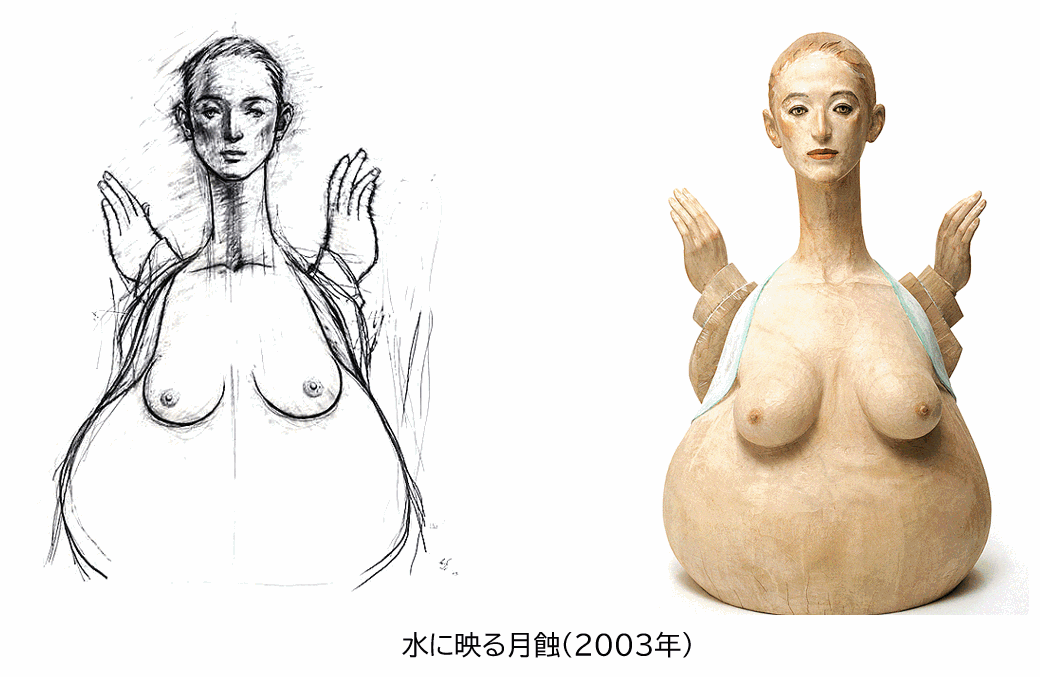
やがて、足が地面から離れた「浮いている人」の姿が現れる。このとき、船越は自らに問いかける。「浮いている人とは何か」。
3.「浮いている」という感覚と祈り
舟越が導き出した答えは、単純でありながら本質的である。浮いている人とは、足場から足が離れている人であり、現実から一時的に離れている人ではないか、という認識である。
ここで重要なのは、「現実から離れる」とは、現実を否定することではないという点である。舟越は語っている。「僕らが経験として持つのは、今ではない何かを祈るとき、現実から解き放たれるのではないか」。
祈りとは、現実を捨て去る行為ではない。むしろ、どうしようもない現実を前にして、それでもなお生きようとする瞬間に、人は祈る。
つまり、祈りとは、現実を超えようとする意志そのものであり、現実の外に逃げることではなく、現実を引き受けたうえで、それを越えようとする態度である。
「水に映る月蝕」が担っているのは、この「瞬間」そのものである。
4.彫刻が担う意味の位相が深まったとは何か
従来の舟越越桂の人物彫刻は、「人間の存在」を静かに提示する作品であった。見る者は、彫刻の前に立ち、その存在と同じ時間を共有する―いわば「同座」の関係が成立していた。
しかし「水に映る月蝕」において、彫刻は単に「在る存在」を示すだけではない。人間が、現実を超えて生きようとする瞬間そのものを、彫刻が引き受けている。
ここに、意味の位相の変化がある。それは技巧的な完成度の問題ではなく、彫刻が担う役割の変化である。
彫刻は、結果としての姿ではなく、生成の瞬間を内包するようになる。祈りとは、その生成の緊張が最も高まる瞬間にほかならない。
5.両手を開くということ
「水に映る月蝕」で多くの人が強く印象づけられるのが、両手を開いた姿である。しかし、この手の表現を「祈りの所作」として理解すると、どこか違和感が残る。
手は組まれていない。何かを掴もうとしてもいない。天に向かって願いを差し出しているようでもない。
むしろ、手は何も持たず、何も拒まない状態で開かれている。
ここで提示されたのは「喜怒哀楽の現実のすべてを受け入れることを表現しているのではないか」と私は思う。
この手は、行為としての祈りではない。態度としての祈りである。
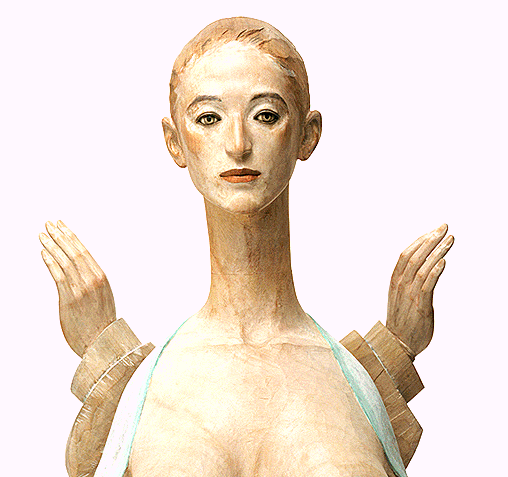
つまり、怒りも、悲しみも、喜びも、恐れも、生きる中で避けがたく訪れるすべてを、拒まず、掴まず、ただ引き受ける姿勢である。
祈りとは、何かを願うこと以前に、世界を受け入れる覚悟なのだということを、この手は静かに示している。
6.震災の地で起きた出来事
この作品が、震災後の釜石の小学校で展示された際、子どもたちが自然に作品の話を理解し、最後に拍手を送ったというエピソードは象徴的である。
専門的な説明は必要なかった。子どもたちは、「人間が祈ることに、人間の姿を与えたから、こうなった」という説明を、素直に受け止めた。
それは、この作品が、理念ではなく、人間の経験に直接触れているからである。祈りは、説明されるものではなく、感じ取られるものとして立ち上がっていた。
7.祈りを形にするということ
「水に映る月蝕」は、舟越桂が到達した新しい境地を示す作品である。それは、人間の姿を借りながら、人間を超えたものを語るのではない。むしろ、人間が人間として生きようとする、その極限の瞬間を、静かに形にしている。
祈りとは、救済を保証する行為ではない。現実を消し去る魔法でもない。
それでも生きる。それでも世界を引き受ける。その決意が、たまたま人間の形をとったとき、「水に映る月蝕」のような像が立ち現れる。
この作品は、舟越桂が「人間をそれでも信じる」という立場に立ち続けたことの、確かな証である。そしてそれは、見る者一人ひとりに、静かに問いを返してくる。
―あなたは、いま、何を引き受けて生きているのか、と。
そうしてここから、鑑賞者と作品との内なる会話が静かに始まる。問いに即答は求められない。ただ、その問いと共に在る時間が生まれる。これこそが、私が理解する「美」が始まる。
2026年7月2日更新
テキスト例