第3章 原の城 ― 形の内にある魂 Chapter 3. Hara Castle: The Soul Within Form
English Summary
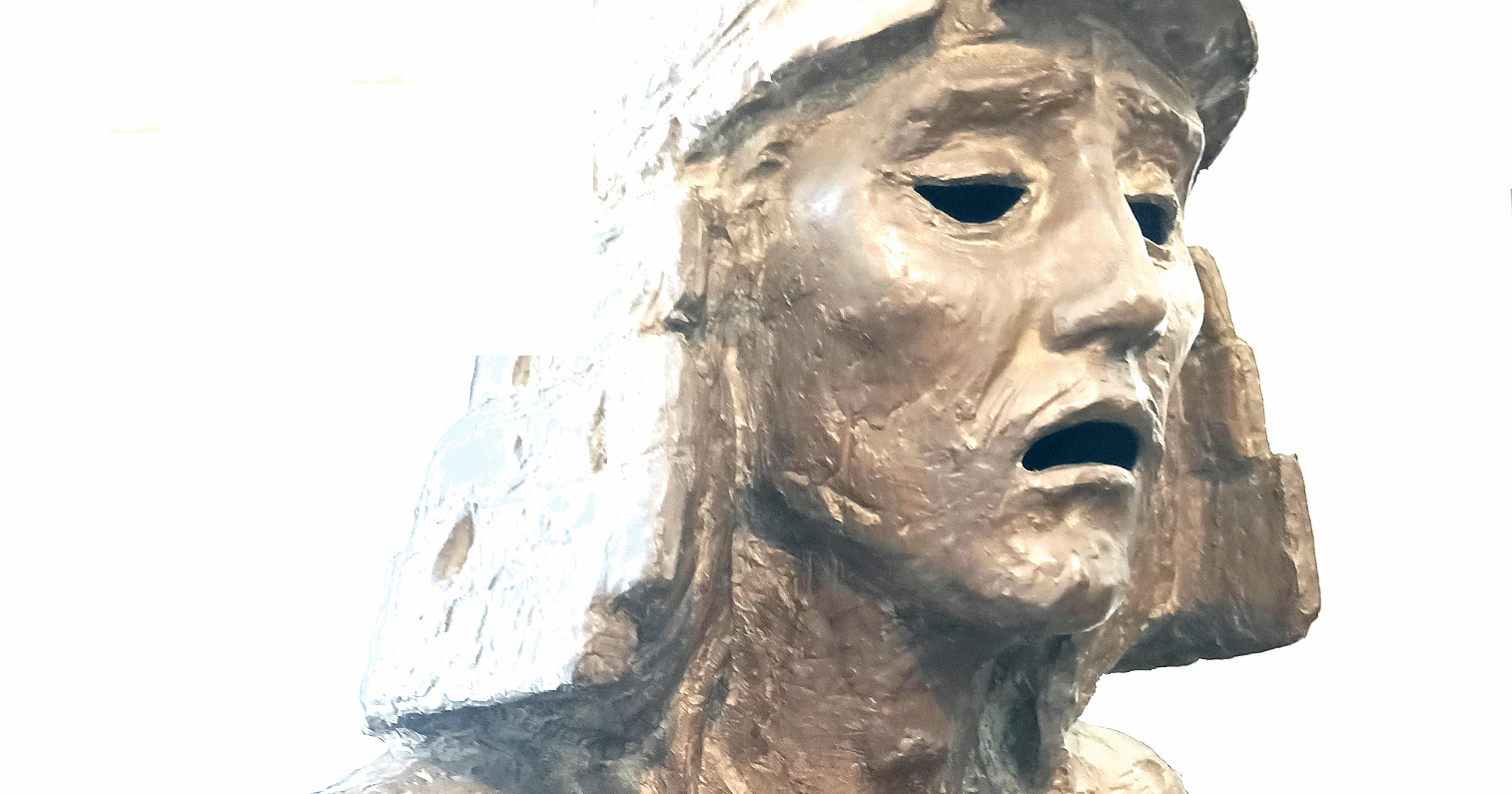
After encountering the solemn spirituality of Father Damien, I was deeply drawn to Funakoshi's Hara Castle, displayed nearby. Although the figure stands motionless, it conveys an intense inner struggle through its slightly open mouth and upward gaze. Deprived of weapons, the figure embodies not an external battle but an internal conflict over fate, dignity, and the meaning of human existence. To me, this sculpture represents not the prayer of a believer, but the silent prayer of one who must continue living even without religious faith.
Funakoshi's sculptures transcend explicit religious belief by expressing the sacredness of human existence itself. While Father Damien embodies prayer illuminated by faith, Hara Castle reveals a prayer born from resistance, loneliness, and perseverance. The sculpture portrays defeat and despair without surrendering human dignity, suggesting that true dignity lies not in victory but in the determination to stand despite inevitable suffering.
More than twenty years after my first encounter, I saw Hara Castle again at the Teijiro Nakahara Memorial Asahikawa Sculpture Museum. This time, the work seemed to ask how I had changed. The fear and shock I once experienced had given way to a quieter recognition of compassion and forgiveness hidden within its silence. For me, Hara Castle remains the closest image of prayer—not the prayer of faith, but the enduring effort to remain truly human in a world without certainty.
「ダミアン神父」の荘厳な祈りと向き合った後、私の目を釘付けにしたのが、そのすぐ近くに置かれていた「原の城」という作品だった。
初めてその像を見たとき、私は息をのんだ。それは静止しているのに、内側では何かが燃え続けているような、沈黙の中の咆哮(ほうこう)を感じさせる像だった。
刀もない。ただ、口をわずかに開き、虚空を見上げる男の姿がある。しかしその眼差しの奥には、言葉では届かないほどの「戦い」が宿っていた。それは外敵との闘いではなく、自らの運命と、人間としての尊厳を賭けた「内なる戦い」であった。
私は思った。これは、信仰を持つ者の祈りではなく、信仰を持たぬ者が、それでもなお“生きねばならぬ”と叫ぶ祈りの形ではないか、と。「原の城」は、神に救いを求める像ではなく、神なき世界でなお人間として立ち上がろうとする者の姿だ。
舟越保武の作品には、明確な宗教性を超えた「人間存在の聖性」がある。それは、《ダミアン神父》のように信仰の光に包まれた祈りであれ、《原の城》のように闇の中で歯を食いしばる祈りであれ、どちらも同じ“魂の形”をしている。
私はこの像を前にして、思わず後ずさりした。その口の開き、見上げる顔の角度―どれもが、限界まで追い詰められた人間の「存在の証」のようだった。それはもはや物語の中の侍ではなく、人間そのものの姿だった。
《原の城》には、敗北と孤独、絶望と抵抗が同居している。それでいて、なぜか静かな気高さがある。それは、船越が「人間の尊厳とは、勝つことでも負けぬことでもなく、倒れながらも立とうとする意志そのものである」と信じていたからだろう。
私は「ダミアン神父」を「祈りの像」と呼ぶなら、「原の城」は「抵抗の祈り」と呼びたい。神にすがるのではなく、人間として立つ。その孤独な立ち姿に、私は深い共感と痛みを覚えた。
そして、今年の夏。私は二十年以上の時を経て、再び「原の城」に出会った。場所は旭川市の中原悌二郎記念旭川市彫刻美術館。もともとは中原悌二郎の作品を観に行ったのだが、私に最も強く語りかけてきたのは、やはりこの「原の城」だった。
「――二十年以上たって、今のあなたは、私をどう感じているのか。」
像が、そう問いかけてくるようだった。かつて若かった私が、衝撃と恐れをもって見上げたその顔は、今ではどこか穏やかで、哀しみと静けさを湛えていた。それは、私自身の年月とともに変わった“感じ方”の反映でもあったのだろう。
あの頃はただ圧倒され、言葉を失った。しかし今の私は、その沈黙の奥にある「赦し」に気づく。苦しみや孤独の底にさえ、なお微かな光がある―そのことを、「原の城」は二十年の時を経て私に教えてくれたのだ。
信仰を持たない私にとって、この像は今もなお「最も近しい祈り」の形である。それは、祈りを知らぬ者が、それでも「人間であろうとする」努力の証。その姿に、私は今も変わらぬ敬意と、静かな感動を覚える。
2026年6月28日更新