同座するかたち ― 朝倉響子の彫刻 The Form of Co-presence: The Sculpture of Kyoko Asakura
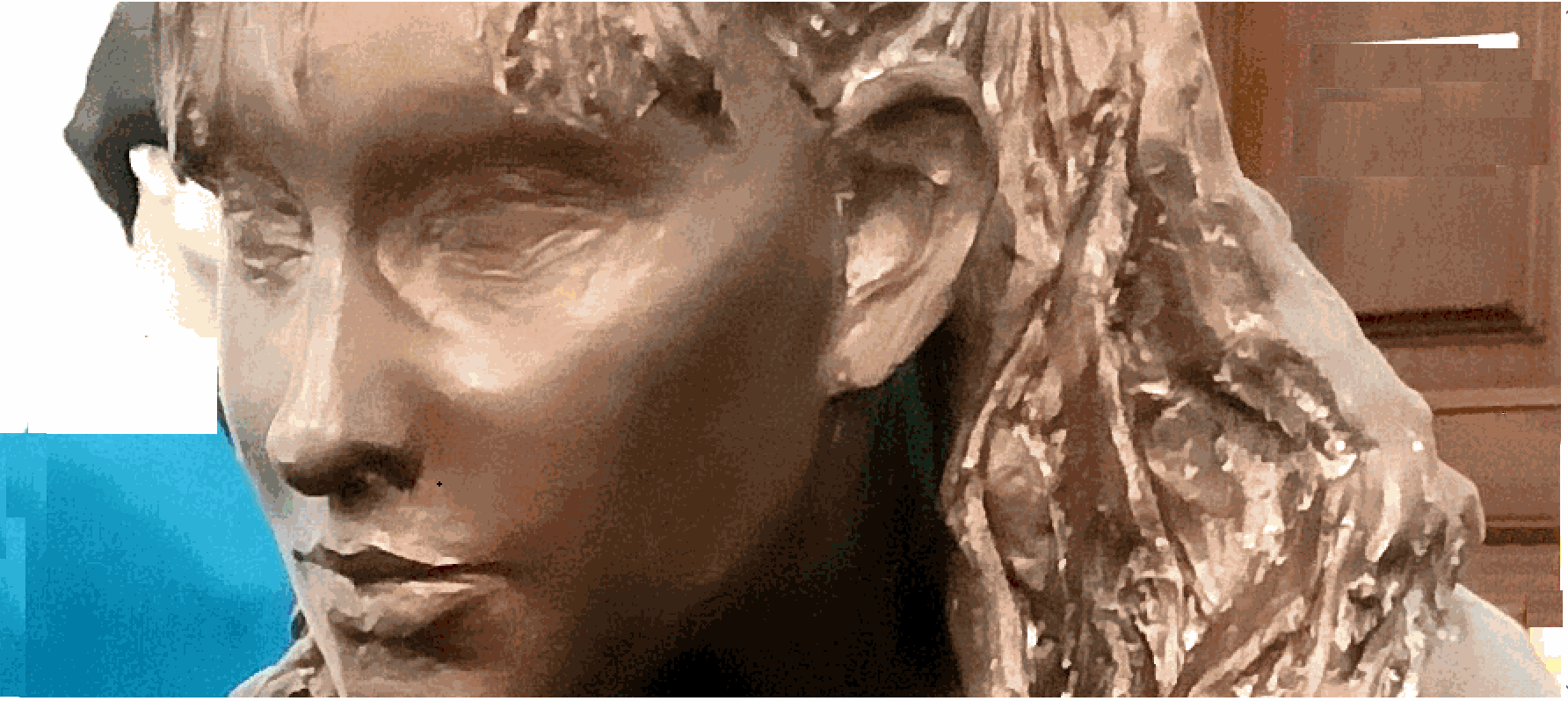
English Summary
This chapter examines the sculpture of Kyoko Asakura, arguing that its defining quality lies not in conveying meaning or emotion but in establishing a relationship of co-presence between the artwork and the viewer. Rather than asking to be interpreted, her sculptures quietly exist alongside those who encounter them, creating a sense of ease instead of tension.
A fundamental principle of Asakura's sculpture is indeterminacy. Her figures never fully walk, stand, or rest; they remain suspended in an unresolved moment. This is particularly evident in the treatment of the heels, which are often slightly raised, preserving the body's potential for movement while postponing any final decision. Through this deliberate suspension, her sculptures embody time rather than mere physical stillness.
Although Asakura does not depict ordinary activities, her works capture the temporal rhythm of everyday life. Instead of dramatic events, they represent the intervals of hesitation, waiting, and quiet continuity that constitute most human experience. In doing so, they transform sculpture from a monument of permanence into a presence that naturally coexists with daily life.
The comfort experienced by viewers arises from an ethical attitude embedded in her work. Her sculptures demand neither interpretation nor emotional response. They do not impose meaning or authority but allow viewers to remain uncertain. This restraint is particularly significant in urban public spaces, where sculpture should coexist with everyday life rather than interrupt or dominate it.
This attitude can be understood through the Japanese concept of co-presence (Doza), in contrast to confrontation (Taiza). Traditional sculpture often assumes confrontation, in which the artwork addresses the viewer with meaning or instruction. Asakura's sculptures reject this hierarchy. They neither confront nor teach; instead, they share the same space and time with the viewer. Indeterminacy becomes the essential formal condition that makes this relationship possible.
The chapter also compares Kyoko Asakura with her father, Fumio Asakura, one of Japan's foremost realist sculptors. While Kyoko inherited his rigorous understanding of anatomy and form, she consciously departed from his pursuit of completed realism. Fumio regarded completion as the realization of sculptural truth, whereas Kyoko recognized that completion could also create authority over the viewer. Her embrace of indeterminacy was therefore not a rejection of technical mastery but a deliberate artistic choice made from within the realist tradition.
Ultimately, Asakura's sculptures embody a simple yet profound conviction: sculpture should never take away a person's time. Rather than functioning as a vehicle for messages or ideology, her works quietly accompany everyday life. They neither dominate nor instruct but simply remain present. Through this attitude, Kyoko Asakura transformed sculpture from an object of confrontation into one of co-presence, achieving one of the most mature and humane forms of public sculpture.
朝倉響子の彫刻作品を前にすると、不思議な安堵感が生まれる。理解しなければならないという緊張も、感情を動かされる圧迫感もない。ただ、そこに居合わせているような感覚が残る。多くの彫刻作品が、鑑賞者に意味や思想、感情を提示し、ときに心を重くさせるのとは対照的である。
この「気持ちよさ」は偶然ではない。朝倉響子は、彫刻という表現が本質的に抱えてきた「語りすぎる危険性」と、きわめて自覚的に向き合った作家である。彼女の信念は、彫刻を通して何かを主張することではなく、「彫刻が人とどのような関係を結ぶか」という一点に置かれている。
1.未決定性という造形原理
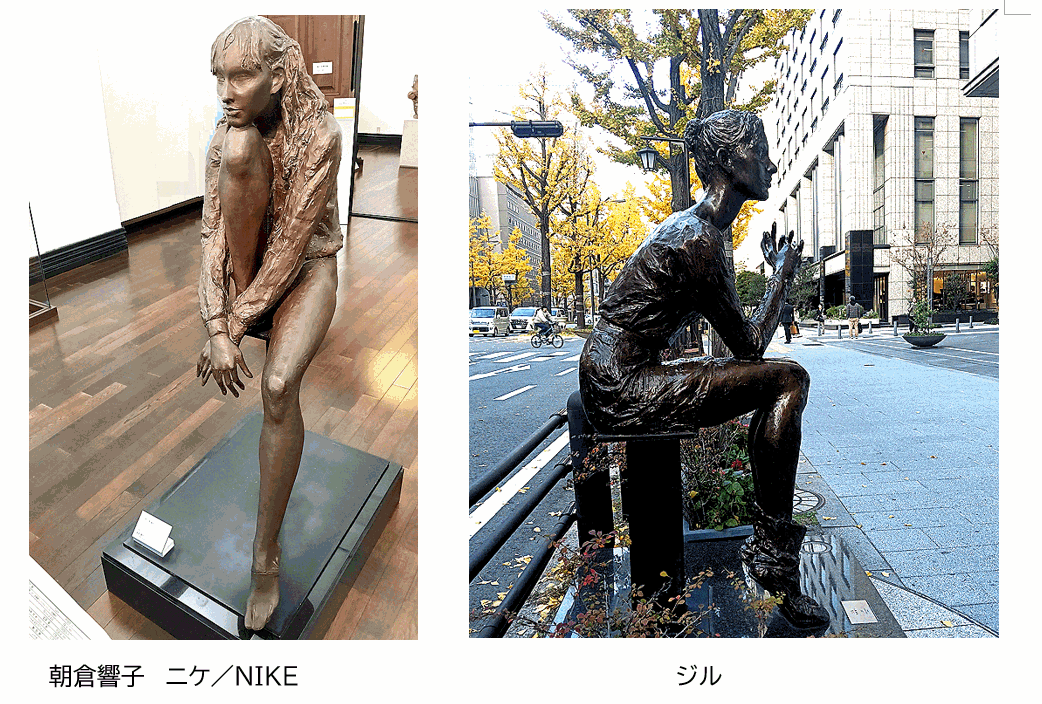
朝倉響子の作品に共通する最大の特徴は、「決めない」造形である。身体は歩き出さず、立ち上がらず、完全に休息することもない。姿勢は常に行為の直前、あるいは途中に留まり、完結しない。これは未完成ではなく、未決定性という明確な造形原理である。
とりわけ象徴的なのが、脚部、なかでもかかとの扱いである。多くの作品において、かかとは極端に持ち上げられ、重心は不安定なまま保たれている。かかとは人体において、動くか留まるかを決定する「身体の決断点」である。朝倉はその決断を下させない。行為の可能性を残しながら、決断を先送りする身体を造形することで、彫刻を時間の流れの中に留めている。この未決定性は、彫刻を静止した物体ではなく、時間を含んだ存在として成立させるための方法である。
2.日常性の造形化
朝倉響子の彫刻は、日常の場面を描写しない。労働や会話、生活行為といった具体的な日常は示されない。しかし彼女が捉えているのは、日常が途切れずに続いている、その「間(あいだ)」の時間である。
日常とは、劇的な出来事の連続ではない。迷い、立ち止まり、何も起こらない時間が大半を占めている。朝倉の未決定性は、この日常の時間構造と深く一致している。だからこそ、彼女の彫刻は特別な出来事としてではなく、日常の延長としてそこに在る。
彫刻は本来、完成・永続・象徴を前提とする表現であり、日常性とは相性が悪い。その困難を承知のうえで、日常を壊さずに造形として成立させること。それが朝倉響子の挑戦であった。
3.鑑賞者への配慮としての倫理
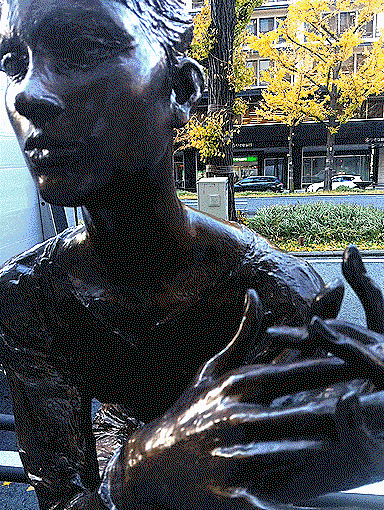
朝倉響子の彫刻が鑑賞者にとって「気持ちがいい」のは、鑑賞者に何も要求しないからである。理解を迫らず、感情を指定せず、意味を押し付けない。多くの彫刻は、鑑賞者に対して「正しく向き合うこと」を暗黙に求める。そこに緊張や重さが生まれる。一方、朝倉の作品は「わからないままでいられる」ことを許容する。これは、鑑賞者の内面に介入しないという、きわめて高度な倫理である。都市空間に置かれた彫刻にとって、この態度は決定的に重要である。都市は日常の場であり、美術のために立ち止まる場所ではない。朝倉の彫刻は、都市の流れを遮らず、空間を占拠しない。そこにあるが、支配しない。この控えめな姿勢こそ、都市彫刻としての成熟である。
4.「同座」という思想
日本思想には「対座」と「同座」という考え方がある。対座とは、主体と客体が向き合い、意味や教えが伝達される関係である。一方、同座とは、区別を超えて同じ場と時間を共有する関係を指す。
美術史的に見れば、多くの彫刻は「対座」を前提としてきた。像は語り、鑑賞者は受け取る。そこに緊張と重さが生じる。しかし朝倉響子の彫刻は、明確に「同座」の位置に立つ。像は鑑賞者に向かって立たない。見上げさせず、意味を示さず、感情を導かない。その結果、鑑賞者は像と向き合うのではなく、像と同じ場所に居ることになる。
未決定性は、この同座を成立させるための造形条件である。決めない身体は、鑑賞者の上にも前にも立たない。彫刻は教える存在ではなく、ただ同席する存在となる。
5.父・朝倉文夫との比較 ― 写実から同座へ
朝倉響子を論じる際、父・朝倉文夫の存在は不可避である。朝倉文夫は、日本近代彫刻を代表する写実主義者であり、人体を厳密に観察し、構造として把握することを彫刻の核心とした作家である。
文夫にとって彫刻とは、「見ることの訓練」であった。筋肉、骨格、重心、姿勢は徹底的に分析され、造形として確定される。彼の彫刻は、完成によって真理に近づこうとするものであり、本質的に「対座」の彫刻である。
一方、朝倉響子はこの父の写実を拒否したわけではない。彼女の人体表現には、明らかに父の教えが深く刻み込まれている。身体構造の理解、姿勢の破綻のなさは、文夫の厳格な教育なくして成立しえない。しかし決定的な違いがある。それは、完成に対する態度である。
文夫が完成によって彫刻の価値を確定させたのに対し、響子は完成がもたらす権威性を警戒した。形が完成した瞬間、像は語り始め、鑑賞者に対して優位に立つ。彼女はその関係を拒んだ。
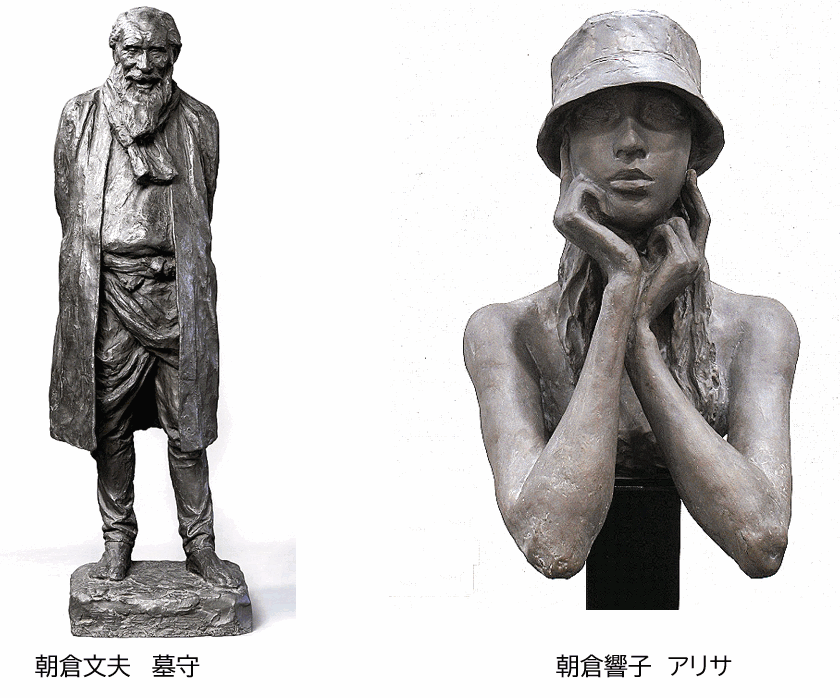
その結果として選ばれたのが、未決定性である。これは技術の不足ではない。完成を知った者による、意識的な拒否である。父が築いた写実の体系を内側から引き受けたうえで、娘はその体系を「同座」へと転換した。
ここに見られるのは反逆ではなく、成熟である。語る彫刻から、黙する彫刻へ。対座から、同座へ。朝倉響子は、父の彫刻が到達できなかった関係性を、別の方向から切り拓いたのである。
6.結論 ― 朝倉響子の信念
朝倉響子の彫刻に通底する信念は、次の一点に集約される。
彫刻は、人の時間を奪ってはならない。
彼女は、彫刻を「何かを伝える装置」にしなかった。代わりに選んだのは、主張せず、決めず、生活の流れを妨げないかたちで人と共に在ることであった。
その結果として生まれた彫刻は、不思議に居合わせ、静かに同座し、気持ちのよさだけを残す。それは弱い表現ではない。公共空間に存在する彫刻が到達しうる、最も誠実で、最も成熟したかたちである。
朝倉響子の彫刻は、同座する。その態度こそが、彼女の揺るぎない信念なのである。
2026年7月21日 更新