柳原義達の彫刻家としての軌跡―彫刻マトリックスによる位置と変遷の考察 The Sculptural Journey of Yoshitatsu Yanagihara: Position and Transformation in the Sculpture Matrix
English Summary
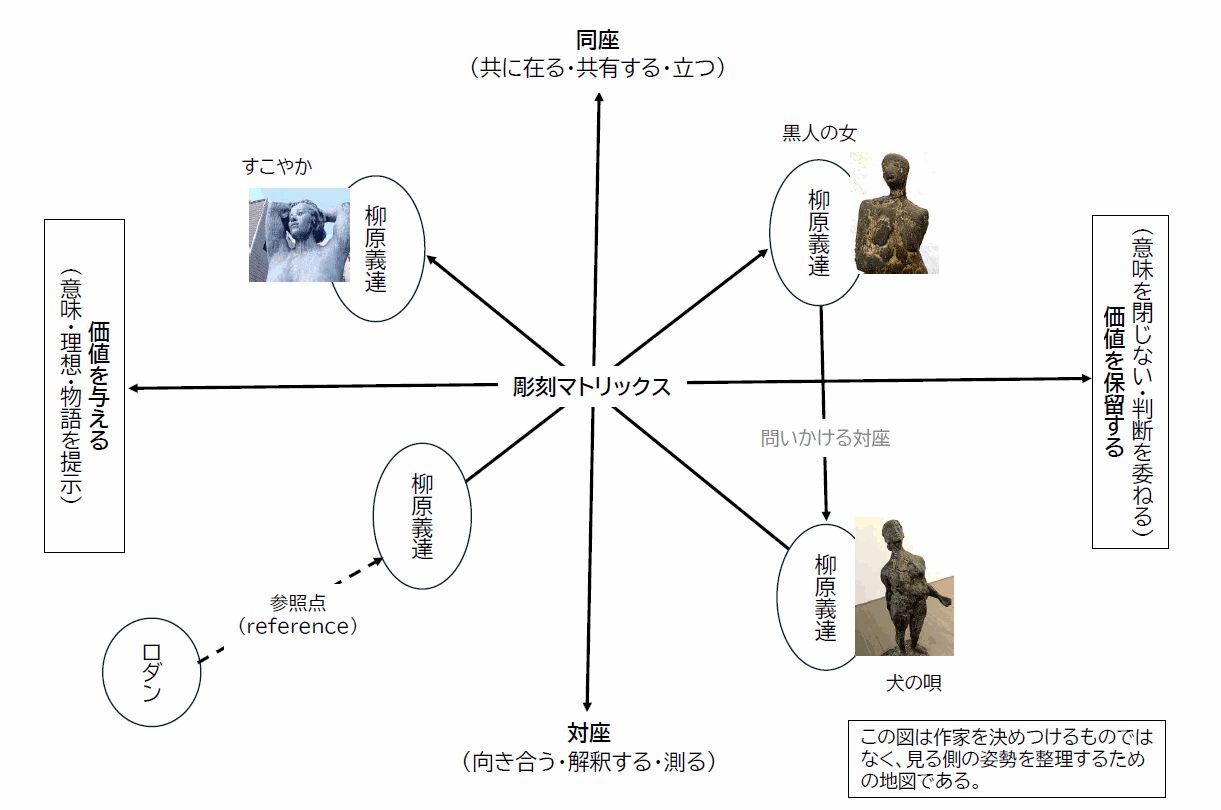
Understanding sculpture requires more than analyzing style or subject matter. Equally important is the relationship established between the viewer and the artwork. This essay examines Yoshitatsu Yanagihara's artistic development through the Sculpture Matrix, a framework based on two axes: Confrontation / Co-presence and Value Given / Value Suspended. Rather than classifying artists, the matrix serves as a conceptual map for understanding how viewers are positioned in relation to sculpture.
Yanagihara's early career began within the tradition of modern European sculpture shaped by Rodin. Although Rodin's influence cannot be stated with certainty, Yanagihara inherited a sculptural language in which artworks present meaning and viewers confront them through interpretation. This corresponds to the position of Confrontation with Value Given.
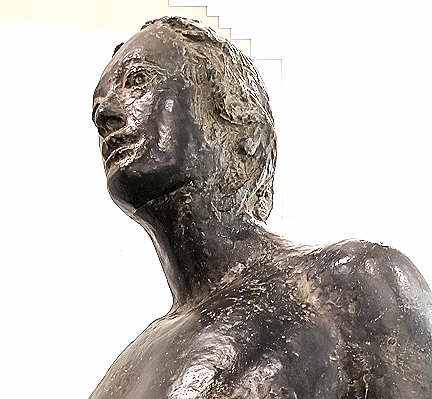
Following his encounter with European sculpture, Yanagihara gradually departed from this tradition. Works such as Black Woman and Red-Haired Woman no longer present symbolic meanings or clear narratives. Instead, viewers are invited simply to coexist with the sculptures without imposing interpretation or judgment. These works represent the position of Co-presence with Value Suspended, marking the stage of artistic rupture and self-discovery.
A decisive turning point appears in Song of the Dog. Here Yanagihara reintroduces value, not through symbolic ideals but through an ethical reflection on humanity itself. The viewer once again confronts the work, yet the relationship is no longer authoritative or didactic. This represents a renewed form of Confrontation with Value Given.
His mature achievement is embodied in Sukoyaka (Healthy). In this work, the sculpture neither demands interpretation nor abandons value. Instead, it quietly affirms the simple act of shared existence. Viewer and sculpture occupy the same space, and value emerges through their coexistence rather than through explicit meaning. This final stage corresponds to Co-presence with Value Given, where the tensions between confrontation and coexistence, and between value and suspension, are ultimately reconciled.
Viewed through the Sculpture Matrix, Yanagihara's career is revealed not as a consistent stylistic progression but as a continuous philosophical transformation. His work traces a path from inherited conventions toward a uniquely Japanese vision in which sculpture becomes a silent affirmation of existence itself.
彫刻を理解する際、作品の様式や主題のみならず、「鑑賞者と作品がいかなる関係に置かれているか」という視点は極めて重要である。
本稿では、彫刻を〈対座/同座〉および〈価値を与える/価値を保留する〉という二軸からなるマトリックスとして捉え、この枠組みを用いて柳原義達の彫刻家としての変遷を考察する。
本マトリックスは、作家を固定的に分類するための図ではない。むしろ、鑑賞者が彫刻とどのような姿勢で向き合っているのか、その関係性を整理するための「思考の地図」である。その意味において、長い時間軸の中で自己変革を重ねた柳原義達の理解に、特に有効な枠組みであると考える。
出発点──明治期以降のロダン受容と「対座・価値を与える」
柳原義達の出発点を考える際、「オーギュスト・ロダン」の影響を完全に断定することはできない。直接的な模倣や明確な言及は限られており、そのため本マトリックス上では点線として位置づけるのが妥当である。
しかし、明治時代以降、日本の彫刻家たちはロダンを中心とするヨーロッパ近代彫刻から継続的な影響を受けてきた。彫刻を理念や意味を提示する行為、すなわち「価値を与える」ものとして捉える態度、そして鑑賞者が作品と向き合い、解釈し、測ろうとする〈対座〉の関係性は、この長い受容史の中で形成されてきたものである。
柳原もまた、この近代彫刻の地平の延長線上から出発した彫刻家であったと考えられる。
「破」の段階──〈黒人の女〉〈赤毛の女〉と「同座・価値を保留する」
ヨーロッパで多様な彫刻と出会った柳原は、次第に初期の立場から離れていく。〈黒人の女〉や〈赤毛の女〉において顕著なのは、彫刻がもはや理念や物語を語らないという点である。
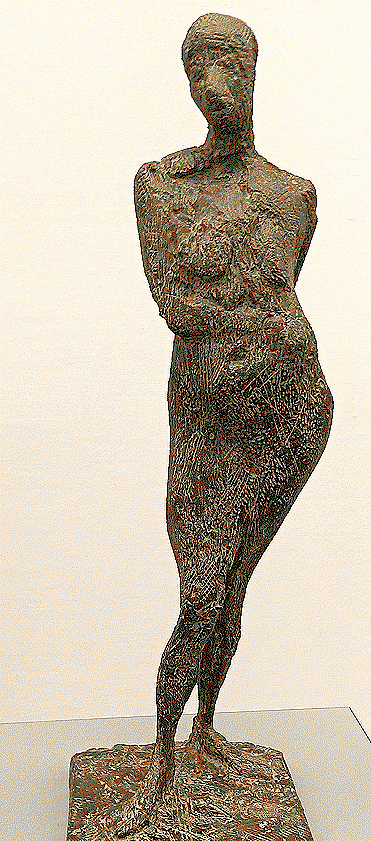
これらの作品では、他者は象徴化されず、美や意味も与えられない。鑑賞者は作品を解釈し、評価する主体として立つことを求められず、ただ作品と「共に在る」ことを促される。ここで柳原は、明確に〈同座・価値を保留する〉ポジションへと移動する。
この移動は単なる作風の変化ではない。彫刻とは何か、価値とは何かという問いを内包した、「破」の段階として理解できる。
転回点──〈犬の唄〉における再びの「対座」
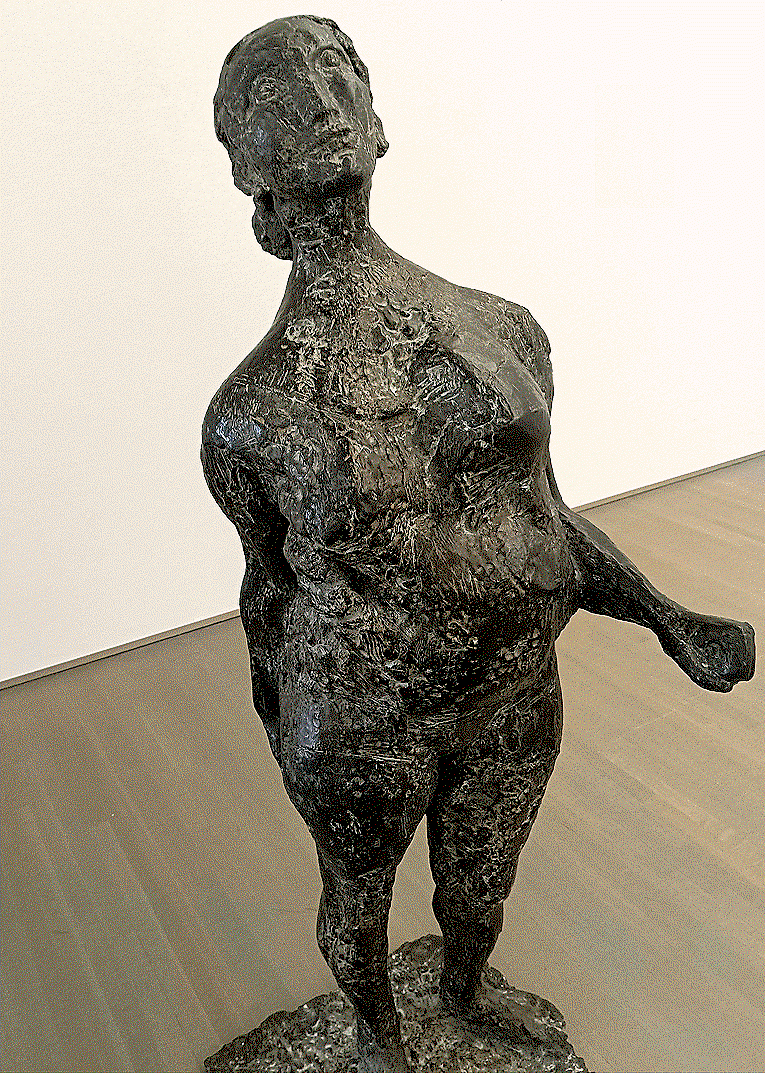
〈犬の唄〉は、柳原の彫刻における明確な転回点である。この作品において、柳原は再び強い主張を作品に与える。ただし、それは初期のような理念的・象徴的価値ではない。
〈犬の唄〉が提示するのは、人間中心主義への批評であり、人間の側の倫理である。鑑賞者は再び作品と〈対座〉することを求められるが、その対座は権威的でも教示的でもない。柳原はここで、「対座・価値を与える」ポジションへ戻りながら、その内実を大きく変化させている。
到達点──〈すこやか〉と「同座・価値を与える」
最終的に柳原が到達したのが、〈すこやか〉に象徴される「同座・価値を与える」という稀有なポジションである。この段階において、作品は鑑賞者に判断や解釈を強いることはない。しかし同時に、価値を放棄しているわけでもない。
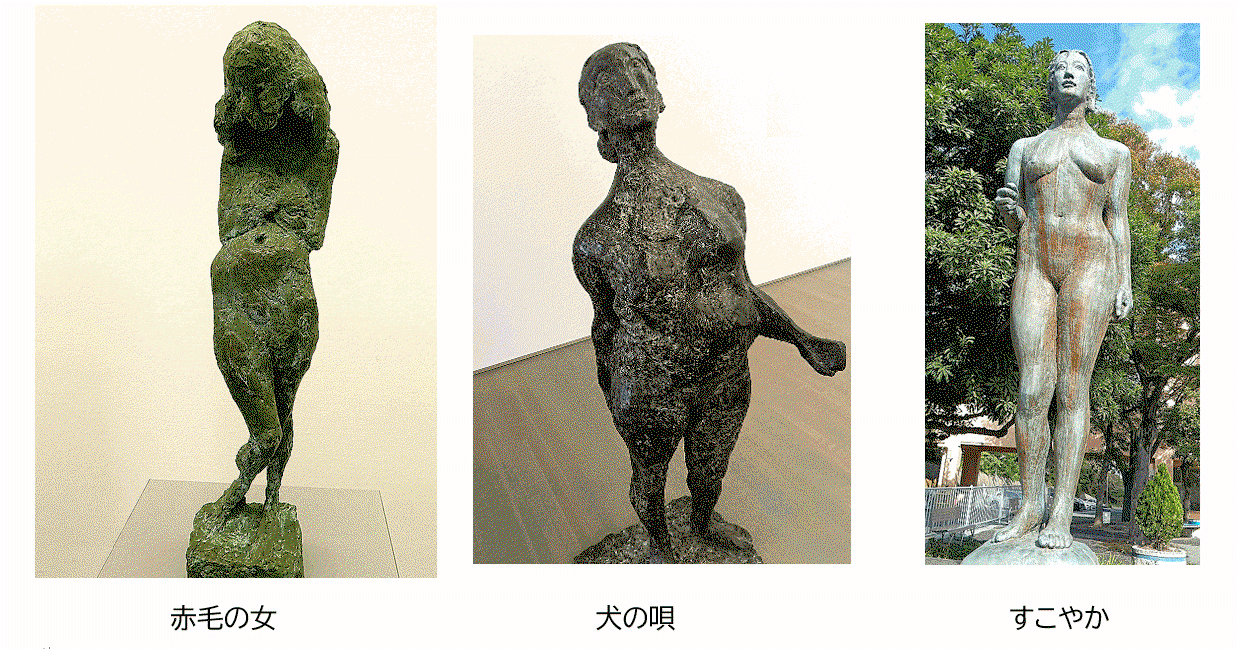
〈すこやか〉で提示される価値とは、意味や物語ではなく、「共に在ることそのものの肯定」である。鑑賞者は作品と同じ場所に立ち、その価値を静かに共有する。この態度は、初期の〈対座〉とも、中期の〈価値保留〉とも異なる、統合された境地である。
結論
彫刻マトリックスを用いることで、柳原義達が〈対座〉と〈同座〉、〈価値を与える〉ことと〈価値を保留する〉ことを往復しながら、最終的にそれらを統合した彫刻家であることが明確になる。
点線で始まり、移動し、到達するというこの軌跡は、柳原を一貫した作風の作家としてではなく、変化し続けた思考の彫刻家として捉える視座を与える。この理解は、柳原義達の彫刻を今日的に読み直すうえで、極めて有効であると考える。
2026年6月27日更新